Nature: A Multilineage Organoid Model of the Human Stomach - Breakthrough: Human Gastroids Model Self-Organized Patterning in Stomach Development
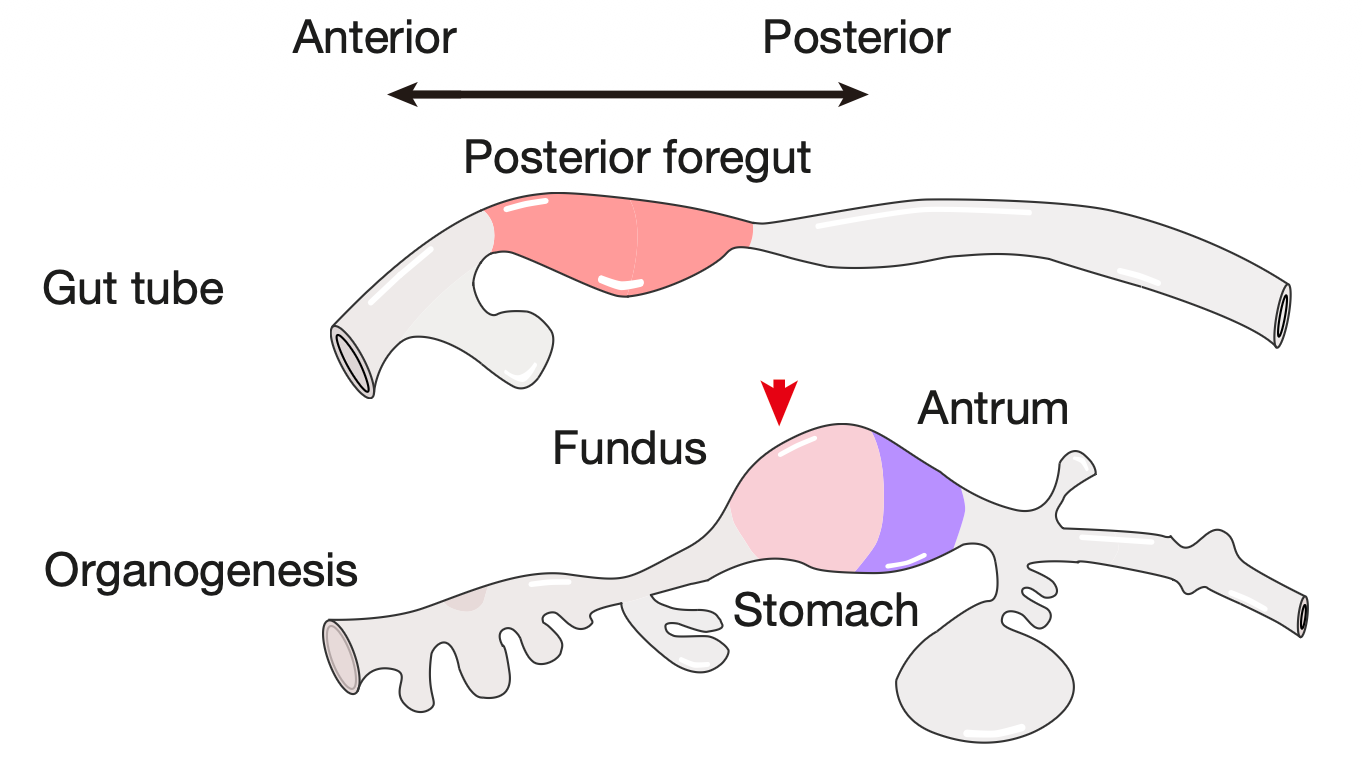
Our recent study published in Nature introduces “Human Gastroids”—multilineage organoids that recapitulate the complex fundic-antral patterning of the developing human stomach.
We are thrilled to share that our collaborative research, “Human gastroids to model regional patterning in early stomach development,” has been published in Nature. This work represents a significant leap forward in organoid technology, moving from single-lineage models to complex, self-organizing systems that mimic the spatial architecture of human organs.
The Challenge of Organ Patterning
The human stomach is a highly regionalized organ with distinct functional domains—the fundus and the antrum—allocated along the anterior-posterior axis. Historically, recapitulating this self-organized patterning in vitro has been a major challenge, as most gastric organoids lacked the necessary multilineage interactions found in vivo.
Key Breakthroughs
- The “Gastroid” Model: By adopting a multilineage co-development approach, we generated “gastroids” derived from human pluripotent stem cells (hPSCs). These gastroids feature a bipolar epithelial chamber with distinct fundic and antral domains, surrounded by mesenchymal cells and annexed by neural populations.
- Neural Tissues as Signaling Centers: Our research revealed that non-endodermal cells, particularly neural populations, act as a critical signaling hub. Positioned near the fundic domain, these cells instruct the fundic-antral patterning of the gastric epithelium through paracrine WNT signaling.
- Molecular Driver (NR2F2): Integrated single-cell transcriptomic profiling and genetic studies identified NR2F2 as a key mediator of this patterning process, providing a molecular explanation for how regional identity is established.
Significance & Future Directions
This study establishes a new paradigm for reconstructing digestive organ patterning in vitro. By demonstrating that physical proximity to tissues of different germ-layer origins (like neural cells) is essential for organ development, we provide a high-fidelity platform for studying human stomach organogenesis, disease modeling, and regenerative medicine.
Acknowledgements
This project was a collaborative effort led by teams from Tsinghua University, Kunming University of Science and Technology, and BGI Research. The XinLab team (Yue Wang, Yiting Wang, Shiyi Liu, Longqi Liu, Xin Liu, etc.) played a pivotal role in performing single-cell sequencing and bioinformatics analysis to decode the complex cellular interactions within these gastroids.
Read the full paper here: https://doi.org/10.1038/s41586-025-09508-8